
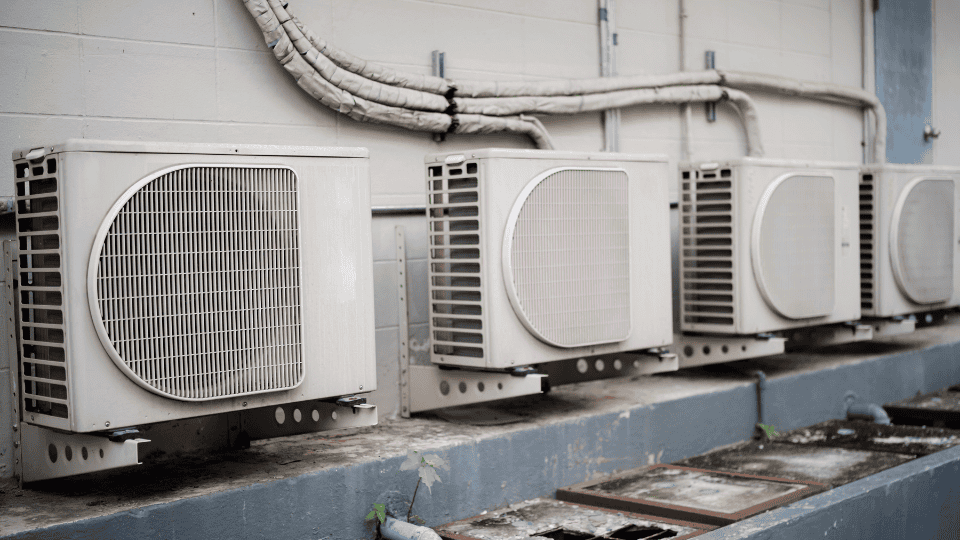
Managing the climate within your commercial space year-round is crucial for comfort and productivity. Whether it’s battling the summer heat or winter chill, reliable HVAC solutions are key. Finding the right system means more than just adjusting temperatures—it’s about creating an environment where everyone feels at ease, boosting efficiency and morale. From efficient cooling options to robust heating systems, investing in tailored HVAC solutions ensures your workplace remains conducive to success no matter the season. With advancements in technology and expert guidance, achieving optimal climate control has never been more accessible or essential for your business.
Understanding Commercial HVAC Systems

Commercial HVAC systems are designed to meet the heating, ventilation, and air conditioning needs of larger spaces like office buildings, malls, and industrial facilities. Unlike residential systems, they are more robust and often include multiple units, ductwork networks, and advanced controls to manage temperature and air quality across extensive areas efficiently.
These systems must accommodate diverse occupancy levels and varying thermal loads, requiring sophisticated designs tailored to specific commercial environments. Proper installation and maintenance are crucial to ensure optimal performance and longevity, as well as to comply with building codes and standards. Commercial HVAC systems play a vital role in creating comfortable indoor environments that support productivity, health, and well-being for occupants throughout the year.
Key Components of Effective Climate Control
Effective climate control in commercial settings hinges on several essential components working together seamlessly. Central to this are the HVAC units themselves, which can vary in type from rooftop units to split systems depending on the building’s size and layout. Alongside these units are sophisticated thermostats and controls that regulate temperature and humidity levels accurately.
Ductwork and ventilation systems distribute conditioned air throughout the building while ensuring adequate fresh air intake and exhaust. Additionally, air filters and purification systems help maintain indoor air quality by removing contaminants and allergens. Together, these components form a cohesive system that not only ensures comfort but also enhances energy efficiency and operational reliability in commercial spaces.
Choosing the Right HVAC System Size
Selecting the appropriate size HVAC system for a commercial building is crucial to its efficiency and performance. An undersized system will struggle to meet the heating and cooling demands of the space, leading to discomfort and potentially increased energy costs as the system overworks to compensate. Conversely, an oversized system may cycle on and off frequently, resulting in inefficient operation and unnecessary wear and tear on components.
Proper sizing requires a detailed assessment of the building’s square footage, insulation, occupancy levels, and thermal characteristics. HVAC professionals use Manual J calculations to determine the precise heating and cooling loads, ensuring that the selected system is optimally sized to provide reliable comfort while maximizing energy efficiency and minimizing operational costs over the system’s lifespan.
Integrating Smart HVAC Technology
Smart HVAC technology integrates advanced sensors, automation, and connectivity to enhance the efficiency and functionality of heating, ventilation, and air conditioning systems in commercial buildings. These technologies offer real-time data insights and remote management capabilities, optimizing energy use and improving comfort levels for occupants.
- Optimized Energy Consumption Smart HVAC systems adjust heating and cooling based on real-time occupancy and weather conditions, reducing energy waste.
- Remote Monitoring and Control Facility managers can monitor and adjust HVAC settings remotely via mobile apps or web interfaces, improving responsiveness and reducing maintenance costs.
- Predictive Maintenance Sensors detect potential issues before they escalate, enabling proactive maintenance to minimize downtime and repair costs.
- Integration with Building Automation Systems Smart HVAC systems seamlessly integrate with other building automation systems (BAS) for holistic control and efficiency.
- Enhanced Comfort and Air Quality Automated adjustments ensure consistent indoor comfort levels and improve indoor air quality by regulating ventilation and filtration.
Integrating smart HVAC technology not only enhances operational efficiency and occupant comfort but also supports sustainability goals by reducing energy consumption and carbon footprints. By leveraging advanced sensors and automation, commercial buildings can achieve significant cost savings and environmental benefits while maintaining optimal indoor conditions year-round.
Cost-Effective Strategies for Climate Management

Effective climate management in commercial buildings requires strategic approaches that balance comfort with operational costs. Implementing cost-effective strategies can optimize HVAC performance and reduce overall energy expenditures without compromising indoor comfort levels.
- Energy Audits and Efficiency Upgrades Conducting energy audits to identify inefficiencies and implementing upgrades such as insulation and sealing air leaks can significantly reduce heating and cooling costs.
- Programmable Thermostats Installing programmable thermostats allows precise temperature control based on occupancy schedules, saving energy during unoccupied periods.
- Scheduled Maintenance Regular HVAC maintenance, including cleaning coils and replacing filters, improves system efficiency and prevents costly breakdowns.
- Occupant Engagement Educating building occupants about energy-saving practices, such as closing blinds during sunny days and adjusting thermostat settings, encourages energy conservation.
- Utility Incentives and Rebates Taking advantage of utility company incentives and rebates for energy-efficient HVAC upgrades can offset initial costs and accelerate return on investment.
By implementing these cost-effective strategies, commercial building owners and facility managers can achieve substantial savings on HVAC operational costs while maintaining comfortable indoor environments. Proactive measures like energy audits, smart thermostat usage, and routine maintenance not only improve financial efficiency but also contribute to sustainable building practices and enhance overall occupant satisfaction.
Benefits of Energy-Efficient Solutions
Energy-efficient HVAC systems offer numerous advantages for commercial buildings, including reduced operational costs and environmental impact. These systems utilize advanced technologies such as variable-speed compressors, high-efficiency motors, and programmable thermostats to optimize energy consumption without sacrificing comfort.
By operating more efficiently, they lower utility bills and decrease overall energy demand, contributing to sustainability goals and reducing carbon footprints. Energy-efficient HVAC components also tend to require less maintenance and have longer lifespans, further lowering lifecycle costs for building owners. Additionally, many energy-efficient systems qualify for incentives and rebates from utility companies or government programs, providing financial incentives for their installation. Overall, investing in energy-efficient HVAC solutions not only improves comfort and air quality but also enhances the long-term financial and environmental sustainability of commercial buildings.
Year-Round Maintenance Tips for HVAC Systems
Regular maintenance is essential to ensure the optimal performance and longevity of commercial HVAC systems throughout the year. Basic maintenance tasks include changing air filters regularly to maintain airflow and indoor air quality, inspecting ductwork for leaks or obstructions, cleaning coils to ensure efficient heat transfer, and lubricating moving parts to reduce friction and wear. It’s also crucial to calibrate thermostats and controls periodically to maintain accurate temperature settings and optimize energy use.
Professional HVAC inspections should be scheduled at least annually to detect and address potential issues before they escalate into costly repairs or system failures. By implementing a proactive maintenance schedule, building owners can maximize HVAC system efficiency, reduce energy costs, and extend the lifespan of their investment, ensuring reliable comfort for occupants year-round.
Enhancing Indoor Air Quality
Maintaining high indoor air quality (IAQ) is essential for creating a healthy and productive environment in commercial buildings. HVAC systems play a critical role in this by regulating ventilation, humidity levels, and filtration of airborne pollutants. Effective IAQ strategies include using high-efficiency air filters to capture particles like dust, pollen, and bacteria, as well as integrating UV germicidal lights to neutralize airborne pathogens.
Proper ventilation design ensures adequate fresh air intake and exhaust, reducing the buildup of indoor pollutants. Additionally, humidity control measures prevent mold growth and improve occupant comfort. Regular HVAC maintenance, including cleaning ductwork and coils, is essential for preventing the accumulation of contaminants and maintaining optimal IAQ standards. By prioritizing indoor air quality, commercial building managers can create a healthier and more comfortable environment that promotes employee well-being and productivity
Conclusion
Ensuring optimal climate control in your commercial space year-round is essential for maintaining comfort and productivity. Investing in reliable HVAC solutions like those offered by Air Repair can significantly enhance efficiency and minimize operational costs. Whether you’re considering upgrading to energy-efficient systems, integrating smart HVAC technology, or scheduling regular maintenance, these steps are crucial for achieving consistent and comfortable indoor environments.
Contact Air Repair today at 19 Maple Grove Ave, Richmond Hill, Ontario Canada, or call us at (647) 330-2979 to explore how our tailored HVAC services can benefit your business. Trust our expertise to provide you with customized solutions that meet your specific needs and ensure your commercial environment remains comfortable and conducive to success throughout every season.