
Running a business is challenging enough without worrying about heating issues. When the temperatures drop, a comfortable workspace becomes essential for productivity and employee satisfaction. But how do you ensure your heating system is running efficiently and keeping costs down? From regular maintenance to smart thermostat usage, these tips can make a significant difference. By optimizing your heating system, you’ll not only enhance comfort but also improve energy efficiency and reduce expenses. Let’s dive into some practical strategies that can help keep your business warm and welcoming, no matter how cold it gets outside.
Choosing the Right Heating System for Your Business

Selecting the ideal heating system for your business is crucial for maintaining a comfortable environment. Start by assessing your space’s size, layout, and heating needs. Options include furnaces, heat pumps, and radiant heating systems, each with its own set of benefits and considerations. A furnace might be suitable for larger spaces, while heat pumps offer energy-efficient heating and cooling for moderate climates. Radiant heating provides consistent warmth but can be costlier to install.
Consider energy efficiency ratings to ensure long-term savings on utility bills. Consulting with an HVAC professional can help you understand the best options for your specific requirements and ensure the chosen system is appropriately sized and installed, providing reliable, efficient heating for years to come.
Benefits of Regular Heating System Maintenance
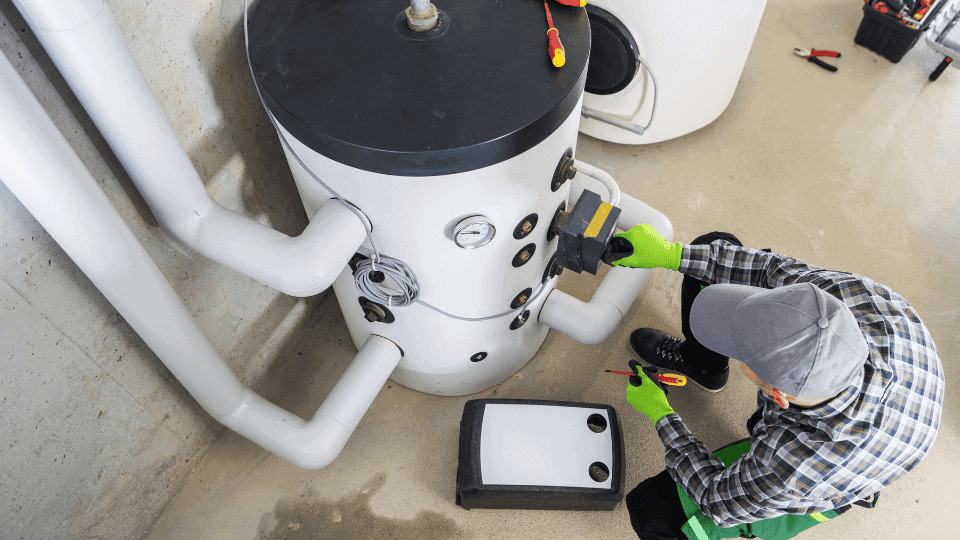
Regular maintenance of your heating system offers numerous advantages. It ensures your system runs efficiently, reducing energy consumption and lowering utility bills. Maintenance checks can identify and address potential issues before they escalate, preventing costly repairs and unexpected downtime.
Additionally, a well-maintained heating system has a longer lifespan, providing a better return on your investment. Scheduled maintenance also contributes to a healthier indoor environment by ensuring clean air circulation and reducing allergens. HVAC professionals can clean and replace filters, check for leaks, and ensure all components are functioning correctly, which can improve overall system performance and reliability. Regular maintenance is a small investment that pays off in increased efficiency, cost savings, and prolonged system life.
How to Optimize Thermostat Settings for Efficiency
Optimizing your thermostat settings can significantly enhance your heating system’s efficiency. During business hours, set the thermostat to a comfortable temperature, typically around 68-70°F. Lower the temperature by a few degrees during non-business hours or when the space is unoccupied to conserve energy. Consider investing in a programmable or smart thermostat that allows you to create a heating schedule tailored to your business hours.
These devices can automatically adjust temperatures, ensuring optimal comfort and energy savings. Some smart thermostats also offer remote control via smartphone apps, allowing for adjustments on the go. By optimizing thermostat settings, you can maintain a comfortable work environment while reducing energy consumption and lowering heating costs, contributing to overall business efficiency.
Smart Heating Solutions for Modern Offices
Modern offices require innovative solutions to maintain a comfortable and efficient environment. Smart heating technologies offer a range of benefits, from energy savings to enhanced comfort.
- Smart Thermostats: These devices allow precise control over heating schedules, learning your office patterns to optimize energy use. They can be controlled remotely via smartphone apps, providing flexibility and convenience.
- Zoning Systems: Divide your office into different heating zones, allowing each area to be heated according to its specific needs. This reduces energy waste and ensures consistent comfort throughout the office.
- Occupancy Sensors: These sensors detect when a room is occupied and adjust the heating accordingly. They help save energy by reducing heating in unused spaces.
- Energy Management Systems: Integrate heating controls with other building systems, such as lighting and ventilation, for comprehensive energy management. This holistic approach can significantly improve overall energy efficiency.
- IoT-Enabled Devices: Internet of Things (IoT) devices can monitor and adjust heating systems in real-time, based on factors like weather conditions and occupancy, ensuring optimal performance.
Implementing smart heating solutions in your office not only enhances comfort but also contributes to significant energy savings and operational efficiency. These technologies represent the future of office heating, making your workplace more sustainable and cost-effective.
Cost-Effective Upgrades for an Efficient Heating System

Upgrading your heating system doesn’t have to break the bank. There are several cost-effective strategies to improve efficiency and reduce energy costs.
- Programmable Thermostats: Replacing old thermostats with programmable models allows you to set heating schedules that match your business hours, reducing energy use when the office is empty.
- High-Efficiency Filters: Upgrading to high-efficiency air filters can improve airflow and reduce strain on your heating system, leading to better performance and lower energy consumption.
- Insulation Upgrades: Adding or improving insulation in walls, ceilings, and floors can significantly reduce heat loss, making your heating system more effective and efficient.
- Weatherstripping and Caulking: Sealing gaps around windows and doors with weatherstripping and caulking prevents drafts and heat loss, enhancing overall efficiency.
- Regular Maintenance: Investing in regular maintenance and tune-ups ensures your heating system operates at peak efficiency, preventing costly repairs and extending its lifespan.
By implementing these cost-effective upgrades, you can enhance the efficiency of your heating system, reduce energy costs, and create a more comfortable environment for your business. Small changes can lead to significant savings and improved performance, making your investment worthwhile.
Insulating Your Workspace for Better Heat Retention
Proper insulation is essential for maintaining a warm and energy-efficient workspace. Insulate walls, ceilings, and floors to prevent heat from escaping. Pay special attention to windows and doors, as they are common sources of drafts. Double-glazed windows and weatherstripping can significantly improve heat retention. Insulation not only keeps your business warm but also reduces the workload on your heating system, resulting in lower energy bills and a more comfortable environment for employees and customers.
Consider adding insulation to areas like attics and basements, which are often overlooked but can significantly impact heat retention. Ensuring your workspace is well-insulated is a cost-effective way to enhance comfort, increase energy efficiency, and support a productive business environment.
Identifying and Sealing Drafts to Prevent Heat Loss
Drafts can lead to significant heat loss and increased energy consumption. Conduct a thorough inspection of your workspace to identify areas where cold air may be entering. Common culprits include windows, doors, and gaps around electrical outlets or plumbing. Seal drafts using caulk, weatherstripping, or draft stoppers. By addressing these small issues, you can prevent heat from escaping and ensure your heating system operates more efficiently, keeping your business warm and cozy.
Additionally, consider installing door sweeps on exterior doors and using heavy curtains to further reduce drafts. Regularly check and maintain these seals, especially before the heating season, to ensure they remain effective. Sealing drafts is a simple yet effective way to improve comfort and reduce energy costs.
Scheduling Professional Inspections and Tune-Ups
Regular professional inspections and tune-ups are vital for maintaining your heating system’s performance. HVAC professionals can identify and fix issues that may not be apparent during routine maintenance. They can also clean and lubricate components, ensuring your system runs smoothly and efficiently. Scheduling annual or bi-annual inspections helps catch potential problems early, preventing costly repairs and extending the lifespan of your heating system.
This proactive approach ensures your business remains comfortable and energy-efficient year-round. During these inspections, professionals can also offer advice on improving system performance and energy efficiency, such as upgrading to more efficient components or optimizing your current system’s settings. Regular professional attention keeps your heating system in top shape, ensuring reliable, efficient operation.
Conclusion
Ensuring your business’s heating system is efficient is essential for maintaining a comfortable and productive environment. By choosing the right system, conducting regular maintenance, optimizing thermostat settings, and addressing insulation and drafts, you can significantly enhance your heating efficiency. These measures not only improve comfort but also lead to substantial energy savings and reduced operational costs.
For expert assistance with your heating system, contact Air Repair at (647) 330-2979. Our team, located at 19 Maple Grove Ave, Richmond Hill, Ontario, Canada, is dedicated to helping you achieve optimal heating efficiency. Whether you need maintenance, upgrades, or a new system installation, Air Repair has the expertise to ensure your business stays warm and comfortable.