
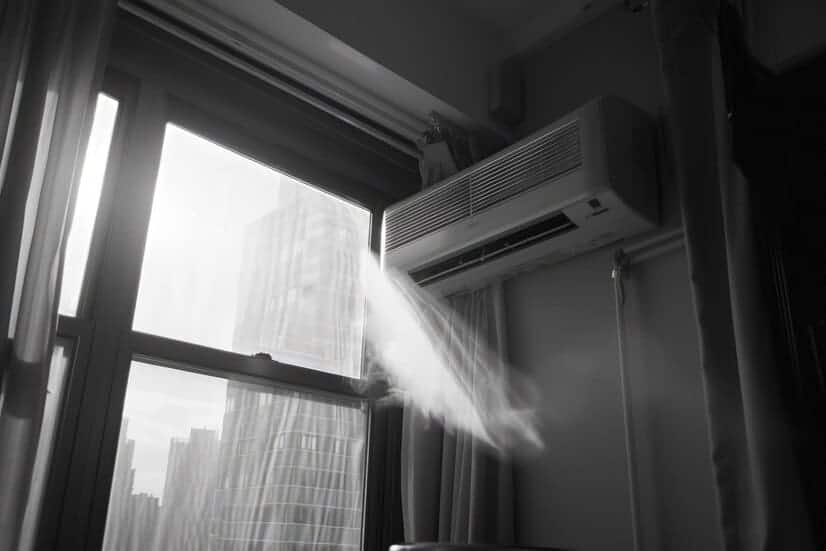
Creating a healthy workplace goes beyond comfortable chairs and spacious desks. It’s about ensuring the air your team breathes is clean and fresh. Poor indoor air quality can lead to reduced productivity and health issues. That’s why finding expert solutions to enhance air quality in your office is crucial. From efficient ventilation systems to air purifiers tailored for commercial spaces, making these upgrades can significantly improve the atmosphere. By prioritizing clean air, you’re not just investing in a healthier environment but also in the well-being and performance of your workforce. Discover how these solutions can transform your office into a more vibrant and breathable workspace
Understanding Indoor Air Quality Standards

Indoor air quality standards are guidelines that define the acceptable levels of pollutants and contaminants in indoor environments to ensure occupant health and comfort. These standards typically cover pollutants such as carbon monoxide, volatile organic compounds (VOCs), particulate matter, and humidity levels.
By understanding and adhering to these standards, office managers can assess current air quality levels, identify potential sources of indoor pollution, and implement measures to improve air quality. Compliance with indoor air quality standards not only promotes a healthier work environment but also reduces the risk of health issues such as respiratory problems, allergies, and headaches among employees.
Benefits of Proper Ventilation Systems
Proper ventilation systems in offices play a crucial role in maintaining good indoor air quality by ensuring a steady flow of fresh outdoor air while expelling stale air and pollutants. These systems regulate temperature, humidity levels, and air circulation, which are essential for creating a comfortable and productive workspace.
Effective ventilation helps dilute and remove indoor pollutants such as carbon dioxide, VOCs, and airborne particles, which can otherwise accumulate and lead to health issues and discomfort among occupants. By improving air circulation and reducing the buildup of contaminants, proper ventilation systems contribute to enhanced employee well-being, reduced absenteeism, and improved overall workplace productivity.
Choosing the Right Air Purification Technology
Selecting the appropriate air purification technology for an office environment involves considering the specific types of pollutants present and the desired air quality goals. Common technologies include HEPA (High-Efficiency Particulate Air) filters, which capture small particles like dust, pollen, and mold spores; activated carbon filters, effective against odors and chemical vapors; and UV germicidal irradiation, which kills bacteria and viruses.
Each technology addresses different aspects of indoor air quality, and the choice depends on factors such as the size of the office space, the sensitivity of occupants to allergens, and the level of pollutants present. Implementing the right air purification technology can significantly improve indoor air quality, creating a healthier and more comfortable environment for employees and visitors alike.
Addressing Common Office Air Pollutants

Office environments can harbor various pollutants that affect air quality and employee health. Addressing these common contaminants is crucial for creating a healthier workspace.
- Dust and Particulate Matter: Regular cleaning schedules and proper ventilation systems help reduce dust accumulation, which can trigger allergies and respiratory issues.
- Volatile Organic Compounds (VOCs): Using low-VOC paints, adhesives, and cleaning products minimizes emissions of harmful chemicals into the air.
- Mold and Mildew: Controlling humidity levels and promptly addressing water leaks prevents mold growth, which can cause respiratory problems.
- Carbon Monoxide (CO): Regular maintenance of heating systems and CO detectors ensures early detection and prevention of CO buildup.
- Allergens: Implementing policies like no indoor smoking and regular HVAC maintenance reduces allergens like pollen and pet dander, improving overall air quality.
By addressing these common office pollutants through proactive measures such as regular cleaning, proper ventilation, and using low-emission products, offices can significantly improve indoor air quality. This not only enhances employee health and well-being but also boosts productivity and reduces absenteeism.
Evaluating HVAC System Efficiency
The efficiency of HVAC systems directly impacts indoor air quality and energy consumption in office buildings. Evaluating these systems helps optimize performance and reduce operational costs.
- Performance Monitoring: Regularly monitoring HVAC performance through energy audits and system diagnostics identifies inefficiencies and potential improvements.
- Airflow and Distribution: Ensuring proper airflow and distribution throughout the office space enhances comfort and prevents air stagnation.
- Filter Maintenance: Regularly replacing or cleaning air filters improves system efficiency and reduces airborne particulates.
- Energy Efficiency Upgrades: Upgrading to energy-efficient HVAC equipment and technologies reduces energy consumption and operational costs.
- Temperature and Humidity Control: Maintaining optimal temperature and humidity levels promotes occupant comfort and prevents mold growth.
By evaluating and optimizing HVAC system efficiency through monitoring, maintenance, and upgrades, offices can achieve better indoor air quality, lower energy bills, and a more comfortable working environment for employees
Maintenance Tips for Healthy Air
Regular maintenance of HVAC systems, air purifiers, and ventilation systems is crucial for ensuring they operate effectively in maintaining good indoor air quality. This includes cleaning or replacing air filters on a regular basis to prevent the buildup of dust, pollen, and other particles that can circulate indoors and cause respiratory issues. Ductwork should be inspected for leaks or obstructions that could hinder airflow or allow pollutants to enter the indoor environment.
Additionally, scheduling professional inspections and maintenance services ensures that equipment functions efficiently and effectively removes airborne contaminants and maintains optimal indoor air quality. By following these maintenance practices, office managers can promote a healthier workplace environment, reduce the risk of indoor air pollution-related health problems, and enhance overall employee well-being and productivity.
Integrating Natural Ventilation Techniques
Natural ventilation utilizes openings such as windows, vents, and building design features to facilitate the flow of fresh outdoor air into indoor spaces while expelling stale air. This method reduces reliance on mechanical ventilation systems and can improve indoor air quality by diluting and displacing indoor pollutants. Effective integration of natural ventilation techniques requires careful consideration of factors such as building orientation, window placement, and external environmental conditions to optimize airflow and air exchange rates.
By enhancing natural ventilation, offices can reduce energy consumption associated with mechanical HVAC systems and create a more comfortable and healthier indoor environment for employees. Incorporating natural ventilation strategies not only improves air quality but also contributes to sustainable building practices and enhances overall occupant comfort and well-being.
Impact of Indoor Plants on Air Quality
Indoor plants not only add aesthetic appeal to office spaces but also play a significant role in improving indoor air quality. Plants absorb carbon dioxide during photosynthesis and release oxygen, thereby increasing oxygen levels and improving air freshener. Certain plant species, such as peace lilies, spider plants, and snake plants, can also remove harmful VOCs (volatile organic compounds) from the air, including formaldehyde, benzene, and xylene, which are commonly found in office environments due to furnishings, cleaning products, and electronics.
By introducing indoor plants strategically throughout the office, managers can help mitigate indoor air pollution, reduce employee exposure to harmful chemicals, and create a healthier and more pleasant workspace. Additionally, plants contribute to a calmer and more productive atmosphere, promoting overall well-being among office occupants
Conclusion
Improving air quality in your office isn’t just about comfort—it’s about creating a healthier and more productive environment for your team. By implementing expert solutions like proper ventilation, effective air purification technologies, and regular maintenance, Air Repair ensures that your workspace is free from common pollutants and allergens. Investing in these measures not only enhances employee well-being but also reduces absenteeism and boosts overall productivity. Take the first step towards cleaner indoor air today with Air Repair’s specialized services.
For tailored solutions to enhance your office air quality, contact Air Repair at 19 Maple Grove Ave, Richmond Hill, Ontario, Canada, or call us at (647) 330-2979. Let us help you create a healthier workspace for a more productive tomorrow.