
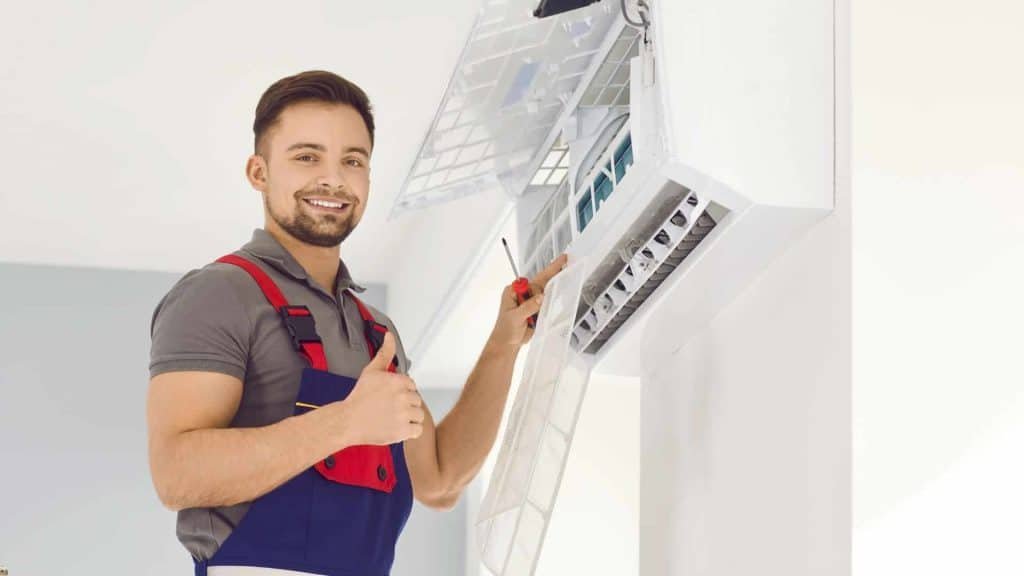
In today’s workplace, ensuring a healthy environment for employees is more crucial than ever. Modern HVAC technologies play a pivotal role in achieving this goal by improving office air quality. From advanced filtration systems that remove pollutants to smart ventilation that optimizes airflow, these innovations create a comfortable and productive workspace. By maintaining optimal humidity levels and reducing allergens, modern HVAC solutions not only enhance air quality but also contribute to the well-being and efficiency of everyone in the office. Investing in these technologies isn’t just about comfort—it’s about prioritizing the health and performance of your team, ensuring a workplace that supports their best work every day.
Understanding Modern HVAC Technologies:

Modern HVAC technologies represent a significant evolution from traditional systems, integrating advanced components and smart features to enhance indoor air quality and energy efficiency in office settings. These systems typically include variable-speed compressors, programmable thermostats, and advanced filtration systems. They operate more quietly and efficiently than older models, adapting to fluctuating office conditions to maintain optimal comfort levels while reducing energy consumption and operational costs.
Modern HVAC technologies also prioritize environmental sustainability by utilizing eco-friendly refrigerants and promoting energy-efficient practices. By leveraging smart sensors and automation, these systems ensure precise temperature control and improved air distribution, enhancing overall comfort and productivity for office occupants.
Importance of Air Quality in Office Environments:
Air quality in office environments directly impacts the health, well-being, and productivity of employees. Poor indoor air quality can lead to respiratory issues, allergies, and reduced cognitive function, affecting workplace performance and morale. Factors contributing to indoor air quality include pollutants from building materials, cleaning products, and outdoor contaminants. Maintaining high air quality levels involves proper ventilation, effective filtration, and humidity control.
By investing in technologies that monitor and improve indoor air quality, employers demonstrate a commitment to employee health and safety. Improved air quality not only enhances physical health but also supports mental well-being, reducing absenteeism and improving overall workplace satisfaction. Prioritizing air quality in office environments is crucial for creating a healthy, comfortable, and productive workspace.
Key Components of Advanced Filtration Systems:
Advanced filtration systems are essential components of modern HVAC systems designed to enhance indoor air quality by capturing and removing airborne particles and contaminants. These systems utilize high-efficiency particulate air (HEPA) filters or electrostatic filters that trap microscopic pollutants such as dust, pollen, mold spores, and bacteria. HEPA filters, in particular, are highly effective at removing particles as small as 0.3 microns with an efficiency rate of 99.97%.
By improving air filtration, these systems reduce allergens and irritants circulating in the office environment, promoting a healthier workspace for employees. Regular maintenance and filter replacement are crucial to ensure optimal performance and air quality. Advanced filtration systems not only contribute to better respiratory health but also support overall well-being and productivity in the workplace.
Enhancing Employee Health and Well-being

Creating a workplace environment that prioritizes employee health and well-being is crucial for fostering productivity and satisfaction. Modern HVAC systems play a significant role in achieving these goals by improving indoor air quality and comfort levels.
- Implement Regular Air Quality Assessments:Regular assessments help identify potential pollutants and ensure HVAC systems are effectively mitigating indoor air quality issues.
- Promote Natural Ventilation Where Feasible:Encouraging natural ventilation during mild weather can reduce reliance on HVAC systems and improve air circulation.
- Educate Employees on Indoor Air Quality:Providing education on how HVAC systems work and their impact on indoor air quality empowers employees to contribute to a healthier workplace environment.
- Utilize High-efficiency Filtration Systems:Investing in HEPA filters or electrostatic filters can significantly reduce allergens and pollutants circulating in the air, benefiting employee respiratory health.
- Monitor and Control Humidity Levels:Maintaining optimal humidity levels prevents mold growth and enhances comfort, contributing to a healthier and more productive workspace.
Enhancing employee health and well-being through improved indoor air quality not only boosts morale but also reduces absenteeism and increases overall productivity. By implementing these strategies, employers demonstrate a commitment to creating a workplace environment that supports the physical and mental well-being of their team.
Practical Steps to Implement Modern HVAC Systems
Implementing modern HVAC systems involves strategic planning and execution to ensure optimal performance and efficiency. These systems are designed to enhance comfort, improve air quality, and reduce energy costs in office environments.
- Conduct a Comprehensive Energy Audit:Assess current energy usage and identify opportunities for improvement with modern HVAC technologies.
- Select Appropriate HVAC Equipment:Choose systems that align with the office’s size, layout, and energy efficiency goals to maximize performance and cost savings.
- Invest in Programmable Thermostats:Programmable thermostats allow precise control over temperature settings, optimizing comfort and reducing energy consumption during non-peak hours.
- Schedule Regular Maintenance Checks:Regular inspections and maintenance ensure HVAC systems operate efficiently, extend equipment lifespan, and minimize unexpected breakdowns.
- Train Staff on System Operation and Maintenance:Educating employees on how to operate and maintain HVAC systems promotes efficient usage and ensures optimal performance over time.
Implementing modern HVAC systems involves strategic planning and investment but yields long-term benefits in energy efficiency, comfort, and indoor air quality. By following these practical steps, businesses can create a more sustainable and comfortable workplace environment while reducing operational costs and enhancing overall productivity.
Benefits of Smart Ventilation Solutions
Smart ventilation solutions represent a technological advancement in HVAC systems that optimize indoor air quality while minimizing energy consumption. These systems use sensors to monitor occupancy, outdoor air quality, and internal conditions, adjusting ventilation rates accordingly. By controlling air intake and circulation based on real-time data, smart ventilation solutions ensure efficient airflow distribution throughout the office space.
This approach not only enhances comfort by maintaining consistent temperature and humidity levels but also reduces energy costs associated with heating and cooling. Smart ventilation systems promote healthier indoor environments by preventing the buildup of pollutants and controlling moisture levels, thereby mitigating issues like mold growth and indoor air stagnation. Investing in smart ventilation solutions demonstrates a commitment to environmental sustainability and employee well-being, fostering a productive and comfortable workplace environment.
Optimizing Humidity Levels for Comfort
Maintaining optimal humidity levels is crucial for creating a comfortable and healthy office environment. Modern HVAC technologies include humidity control features that regulate moisture levels to prevent issues such as dry air discomfort or excessive humidity. Balanced humidity levels not only enhance employee comfort but also support respiratory health and reduce the transmission of airborne illnesses. Dry air can cause irritation to the eyes, skin, and respiratory passages, while high humidity can promote mold growth and allergen proliferation.
By incorporating humidity control into HVAC systems, employers can create a pleasant and productive workspace that supports employee well-being and performance. Regular monitoring and adjustment of humidity levels ensure a consistent and comfortable indoor environment throughout the year, enhancing overall workplace satisfaction and reducing absenteeism due to environmental discomfort.
Reducing Allergens with Innovative HVAC Solutions
Innovative HVAC solutions utilize advanced technologies to effectively reduce allergens and microbial contaminants in office environments. These solutions often incorporate ultraviolet (UV) germicidal irradiation, which neutralizes airborne pathogens such as viruses and bacteria, enhancing indoor air quality and reducing the risk of illness among employees. Electrostatic filters are also employed to capture allergens like pet dander, dust mites, and pollen, preventing them from circulating through the ventilation system.
By integrating these technologies into HVAC systems, employers can create a healthier workspace that supports respiratory health and reduces allergy-related symptoms among staff. Effective allergen reduction not only improves employee well-being but also boosts productivity by minimizing sick days and promoting a more comfortable and hygienic working environment. Investing in innovative HVAC solutions demonstrates a commitment to employee health and safety, fostering a positive and productive workplace culture.
Conclusion
Prioritizing office air quality through modern HVAC technologies like those offered by Air Repair is crucial for creating a healthy and productive workplace environment. By investing in advanced filtration systems, smart ventilation solutions, and humidity control features, businesses can significantly enhance indoor air quality, benefiting employee health and overall well-being. Improved air quality not only reduces allergens and pollutants but also promotes better concentration, fewer sick days, and higher morale among staff members.
For expert consultation and installation of cutting-edge HVAC solutions in Richmond Hill, Ontario, contact Air Repair today at (647) 330-2979. Our team is dedicated to ensuring your office environment is comfortable, efficient, and conducive to optimal performance. Let us help you breathe easier and work better with our tailored HVAC services.